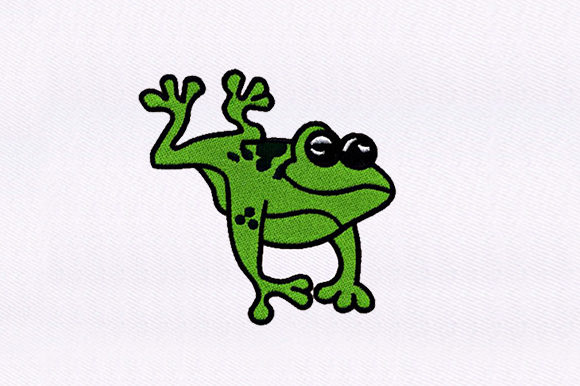
Happily Frog Embroidery Design Review
As an experienced embroidery designer, I recently tested the Happily Frog machine embroidery design for a personalized gift shop. This design is part of the Reptiles category and offers a wide range of file formats including 10O, ART, CND, DSB, DST, DSZ, EXP, HUS, JEF, PCS, PEC, PES, TAP, VIP, VP3, and XXX. It's clear that this digital embroidery file is intended for versatility across multiple platforms and machines.
First Impressions: Mood and Emotional Appeal
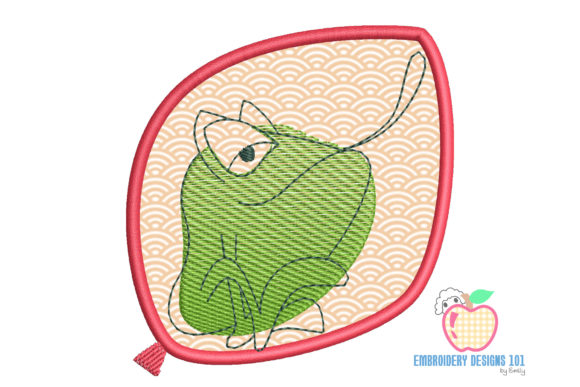
The Happily Frog design immediately feels playful and charming. The frog itself has a sweet, whimsical expression that suggests joy and innocence. This makes it a perfect fit for baby-related items or personalized gifts meant to evoke warmth and nostalgia. The level of detail in the design is impressive—each leaf, texture on the frog’s skin, and even the subtle shading adds to its handmade quality.
This design could easily be described as both modern and classic, making it suitable for a variety of audiences. Whether used on a nursery wall hanging or a custom tote bag, Happily Frog brings a sense of gentle fun and creativity to any project.
Uses for Happily Frog in Personalized Gift Products
The versatility of Happily Frog is one of its greatest strengths. Here are some practical applications:
- Baby Embroidery: Ideal for embroidered blankets, onesies, or nursery decor where soft and cheerful designs are appreciated.
- Wedding Gifts: Can be adapted into keepsakes like pillow covers or aprons with a touch of whimsy for couples who enjoy unique, personal touches.
- Family Keepsakes: Perfect for embroidered towels, kitchen cloths, or framed art pieces that can be passed down through generations.
- Etsy Listings: As a digital embroidery file, it's easy to include in product listings with printable mockups for customer previews.
- Custom Orders: Works well on tote bags, aprons, or pillow covers that can be tailored with names or dates.
For small shop products or handmade sellers, Happily Frog offers a ready-to-use option that requires minimal customization while still delivering a high-quality finish.
Where to Use Happily Frog with Caution
While Happily Frog is highly adaptable, there are a few considerations when using it on specific materials or products:
- Small Lettering: If adding text or initials to the design, ensure the font size is large enough to remain legible after embroidery.
- Delicate Details: The fine textures on the frog’s skin may require careful stitching and proper stabilizer use to maintain clarity.
- Textured Fabric: On fabrics with a rough surface, such as burlap or canvas, test the design on scrap fabric first to ensure it stitches smoothly.
- Thick Towels: Embroidering on thick or heavy fabric may require a larger hoop size and additional stabilizer layers.
- Stretchy Baby Clothes: For stretchy materials, consider using a tear-away stabilizer to prevent distortion during stitching.
- Curved Surfaces: While not an issue on flat surfaces like pillow covers or aprons, curved areas may need extra attention to stitch density and alignment.
- Dark Fabric: Test thread color contrast on dark backgrounds to ensure visibility and vibrancy.
- Frequent Washing: Choose high-quality thread and secure stitching to ensure durability on items that will be washed often.
Impact on Giftability and Customer Perception
The emotional connection that Happily Frog creates is a major selling point for personalized gifts. Customers are more likely to engage with products that feel handcrafted and meaningful. Whether it's a wedding gift or a baby blanket, this design enhances the perceived value of the finished product.
For Etsy sellers or small business owners, incorporating Happily Frog into product lines can increase buyer engagement. High-quality embroidery directly impacts product photography, so ensuring the design looks crisp and vibrant in images is essential for attracting buyers.
Additionally, using this design in custom orders helps build customer trust, as it shows a commitment to quality and attention to detail. When customers see the care put into each stitch, they’re more likely to view the product as a thoughtful, handmade gift rather than a mass-produced item.
Practical Embroidery Notes
To get the best results from Happily Frog, here are some key steps to follow:
- Test on Scrap Fabric: Always do a test run before committing to a final product to check how the design interacts with the fabric.
- Check Thread Color Contrast: Ensure the colors used stand out against the fabric background, especially on darker or textured materials.
- Confirm Hoop Size: Review the required hoop size for your embroidery machine to avoid issues with stitch placement or tension.
- Review Stitch Density: Adjust stitch density if needed to accommodate different fabric types without compromising the design's clarity.
- Use Proper Stabilizer: Select the right type of stabilizer based on fabric type—tear-away for light fabrics, cut-away for heavier materials.
- Compare Light and Dark Fabric Mockups: Visualize how the design appears on different color backgrounds to make informed decisions about color choices.
- Check Small Details After Stitching: Inspect the finished product closely to ensure all elements of the design are clearly visible and well-defined.
- Confirm Commercial Licensing: Before selling finished products, verify that the Happily Frog design is licensed for commercial use.
By following these steps, you can ensure that Happily Frog delivers a professional, polished result that aligns with the expectations of customers looking for personalized, handmade gifts.