Traditional Chinese Dragon Embroidery Review
As an experienced embroidery designer, I recently had the opportunity to review the Traditional Chinese Dragon embroidery design. This design has potential for a variety of craft fair products and handmade market items, especially if you're targeting a niche that values cultural motifs and high-quality machine embroidery.
First Impressions of Traditional Chinese Dragon
The moment I saw the Traditional Chinese Dragon design, it struck me as bold and elegant. The intricate details of the dragon’s features—its flowing mane, fierce eyes, and sinuous body—immediately conveyed a sense of power and tradition. It feels premium and decorative, which makes it ideal for customers looking for something unique and meaningful in their handmade product selections.
This design is not cute or minimalist, but rather a strong statement piece. It's perfect for those who want to make a lasting impression with their craft fair product. Whether it's a tote bag design or a patch, this design stands out visually and adds value to any item it adorns.
Performance on Various Products
I tested the Traditional Chinese Dragon embroidery on several products to see how it would perform in different contexts. Here's what I found:
- Tote Bags: The design works exceptionally well on tote bags. The large size allows the dragon to be the focal point, making it eye-catching and suitable for a handmade product display at a craft fair.
- Apron Embroidery: On aprons, the dragon design can be placed on the chest or back panel. It adds a touch of elegance and uniqueness, making it appealing to buyers who appreciate decorative elements in their kitchen tools.
- Tea Towel Embroidery: While the design is detailed, I recommend using it on larger tea towels where the intricacy can be appreciated. Smaller sizes may lose some of the visual appeal.
- Embroidered Patches: The Traditional Chinese Dragon is a great choice for patches. Its bold nature makes it stand out on jackets, backpacks, or even as part of a set of themed patches.
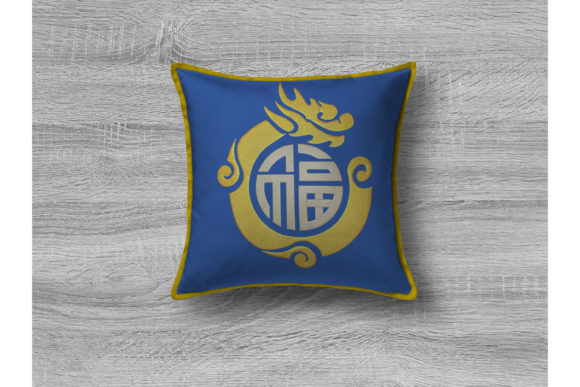
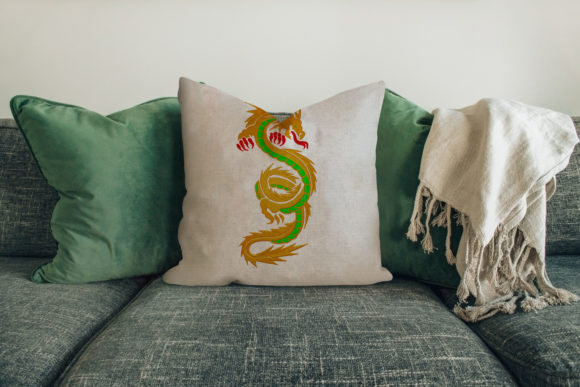
- Pillow Covers: The design looks stunning on pillow covers, especially when paired with neutral or complementary colors. It gives a decorative yet elegant feel to home décor items.
- Market Bags: For market bags, the dragon design is both functional and stylish. It can serve as a brand identifier or a unique selling point for your small shop product.
- Handmade Gifts: As a gift, this design brings a cultural element that many buyers find appealing. It can be used on small pouches, caps, or other giftable handmade items.
Practical Selling and Production Points
The Traditional Chinese Dragon is easy to understand at a glance, which is essential for attracting attention at a craft fair. It works well as a large focal design but could also function as a smaller accent if scaled down properly. However, I advise testing the design on scrap fabric first to ensure that the stitch density and thread colors are appropriate for your intended fabric.
When it comes to online listings, the design photographs beautifully. It adds a lot of visual appeal to your Etsy seller listings, especially when paired with a good printable mockup. The detail and richness of the design make it stand out in photos, which can help boost customer interest and engagement.
For batch production, the design is repeatable, provided that you use the right stabilizer and hoop size. I recommend checking the recommended hoop size and stitch density to avoid issues during mass production. Also, confirm the commercial licensing before selling finished products to avoid legal complications.
Careful-Use Notes
While the Traditional Chinese Dragon is a beautiful design, there are some considerations to keep in mind:
- Dense Stitch Areas: Be cautious with dense stitch areas. They may require additional stabilizer to prevent puckering or distortion.
- Tiny Details: The fine details of the dragon may not translate well on very small items or dark fabrics. Test the design on a sample piece before producing in bulk.
- Thick Fabric: If using thick fabric like denim or canvas, ensure that the embroidery machine can handle the added pressure and thickness.
- Curved Surfaces: On curved surfaces like caps, the design may need slight adjustments to maintain clarity and shape.
- Dark Fabrics: Ensure that the thread colors contrast well with dark fabrics to maintain the visual impact of the design.
Visual Appeal and Customer Engagement
The Traditional Chinese Dragon significantly enhances the visual appeal of any product it adorns. It draws attention and adds a sense of quality and craftsmanship. This is particularly important for craft fair sellers and handmade shop owners who rely on visual impact to attract buyers.
Customer engagement is another key factor. The design's cultural significance and intricate details can spark conversations and curiosity among buyers. It also helps in establishing brand consistency if you're using it across multiple products or for a specific line of commercial embroidery items.
Overall, the Traditional Chinese Dragon is a versatile and valuable design asset. With proper preparation and consideration of the above points, it can become a standout feature in your booth display and a bestseller at your next craft fair or handmade market.
Embroidery Designer Tips for Success
To ensure success with the Traditional Chinese Dragon, here are a few practical tips from my experience:
- Test on Scrap Fabric: Always test the design on scrap fabric before finalizing your production plan. This will help you identify any potential issues early on.
- Check Thread Contrast: Make sure the thread colors provide enough contrast with the fabric you’re using. This will enhance the visibility and overall look of the design.
- Review Spacing: Check the spacing between stitches to ensure that the design remains clear and defined, especially when viewed up close.
- Confirm Hoop Size: Use the recommended hoop size to ensure that the design is stitched correctly without any distortion.
- Inspect Stitch Density: A high stitch density can affect the fabric's texture and durability. Inspect it carefully before proceeding with large batches.
- Use the Right Stabilizer: Choose a stabilizer that complements the fabric type and design complexity to prevent puckering or tearing.
- Create a Real Mockup: Create at least one real mockup of the finished product to get a better sense of how the design will look in person.
- Compare Fabric Colors: Compare the fabric colors with the design to ensure that the final product matches your expectations.
- Confirm Commercial Licensing: Before selling finished products, confirm that the digital embroidery file is licensed for commercial use.
By following these steps, you can confidently bring the Traditional Chinese Dragon to life in your craft fair products and handmade market offerings. It has the potential to be a standout piece that resonates with buyers and elevates your brand's presence in the handmade community.